
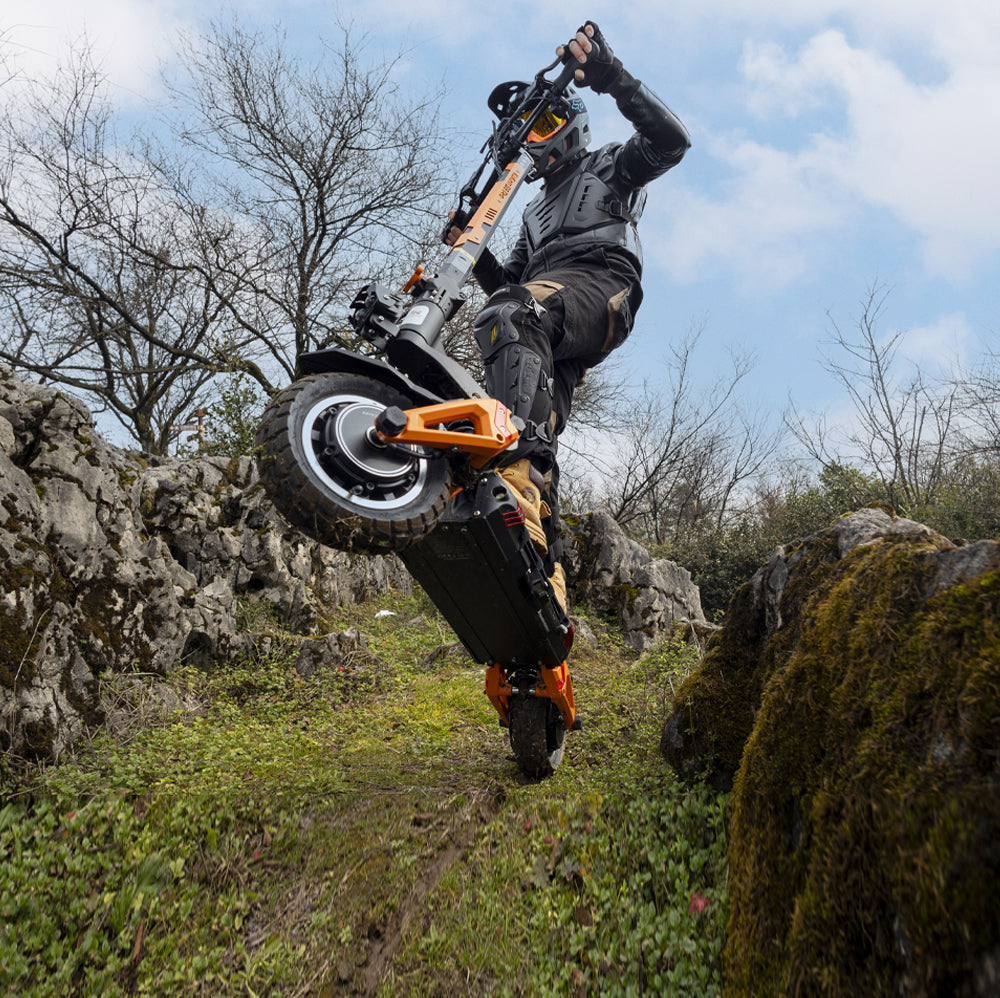
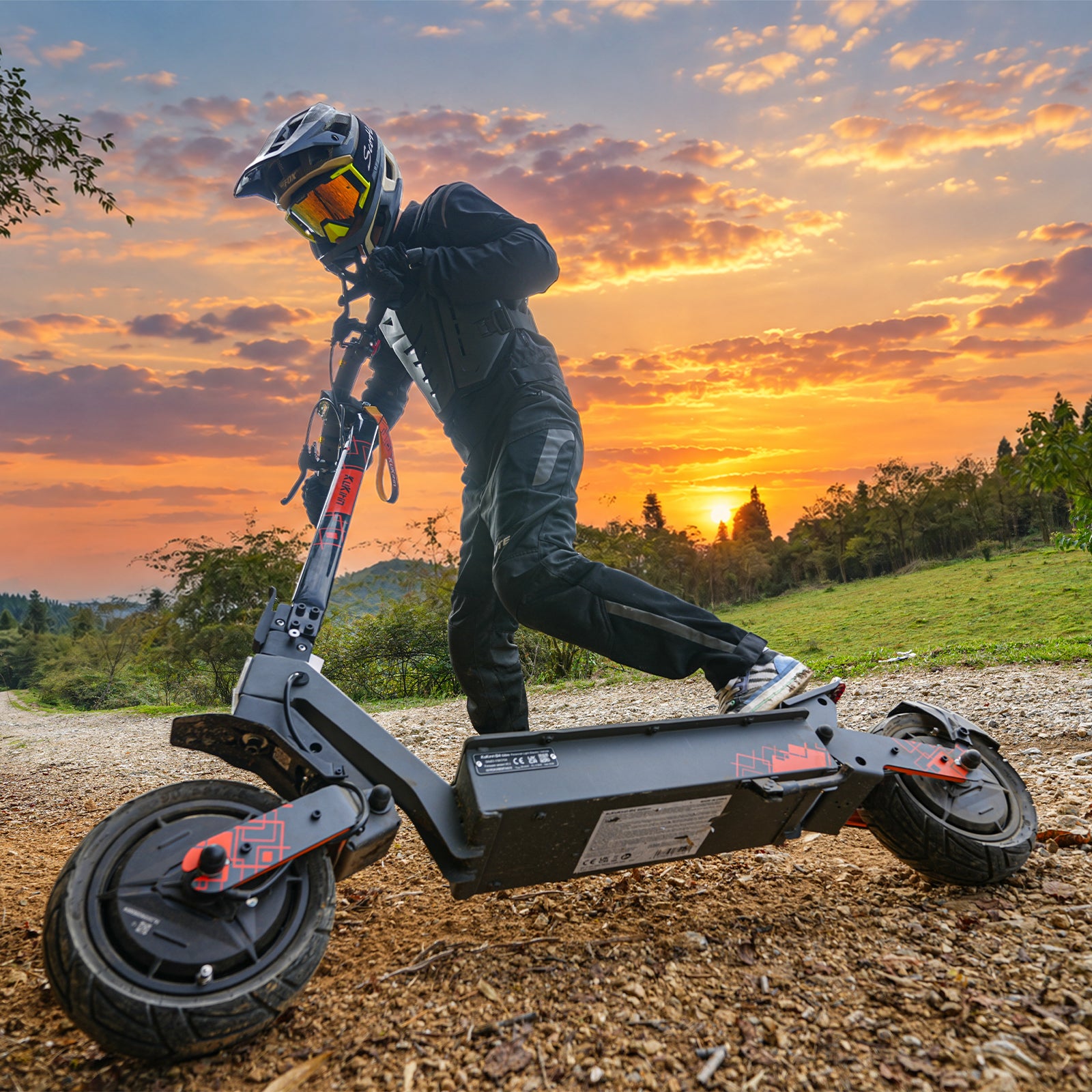

Allora sei pronto ad abbracciare la libertà e il divertimento di monopattini elettriciBenvenuti in un modo più intelligente di muovervi in città, esplorare i dintorni e dare una dose di adrenalina ai vostri spostamenti quotidiani. L'emozione è immediata, ma padroneggiare il vostro monopattino richiede un po' di pratica. Questa guida, pensata per i conducenti europei, vi accompagnerà passo dopo passo: dalla scelta del monopattino KuKirin perfetto per voi alla guida sicura sulle strade dell'UE.
Come scegliere il tuo primo monopattino elettrico per le strade europee
Il primo passo è scegliere uno scooter che si adatti al tuo stile di vita e all'ambiente particolare delle città europee. Dai vivaci centri storici con le loro strade acciottolate ai lunghi tragitti suburbani, le tue esigenze sono fondamentali.
Prestazioni su misura per le tue esigenze
Considera il tuo percorso tipico. Per brevi spostamenti in città e soluzioni per l'ultimo miglio, un modello compatto e leggero come il KuKirin G2 Max offre un'agilità perfetta. Per tragitti più lunghi o terreni misti, cerca uno scooter con autonomia estesa e sospensioni robuste, come Maestro KuKirin G2 O KuKirin G3 Pro.
Progettato per durabilità e comfort
I paesaggi europei possono essere molto diversi. Dai la priorità a uno scooter con un telaio robusto, come quello in alluminio di grado aerospaziale, e un sistema di sospensioni di qualità per attutire gli urti su strade acciottolate o sentieri irregolari. Gli pneumatici antiforatura sono un grande vantaggio per la guida in città.
La sicurezza come standard
Non scendere mai a compromessi. Assicurati che il tuo monopattino elettrico abbia un sistema frenante affidabile (freni a disco o rigenerativi + meccanici), luci a LED anteriori e posteriori luminose e indicatori di direzione integrati, una caratteristica fondamentale per comunicare le proprie intenzioni nel traffico intenso.
Un supporto su cui puoi contare
Scegliete un marchio che offra un'assistenza locale affidabile. KuKirin offre politiche di garanzia UE complete e l'accesso a una rete di partner di assistenza, garantendo che l'aiuto sia sempre disponibile in caso di necessità.
Monopattino elettrico KuKirin T3

Equipaggiamento di sicurezza essenziale e preparativi pre-partenza
La sicurezza è la tua priorità. Indossare l'equipaggiamento adeguato è imprescindibile e rappresenta la tua principale difesa contro gli imprevisti.
Dispositivi di protezione obbligatori
- Casco: Un casco da bicicletta o da città certificato è il minimo indispensabile. Per velocità più elevate, si consiglia un casco integrale da MTB. Assicurarsi che calzi bene.
- Elementi ad alta visibilità: soprattutto durante i grigi inverni europei o al crepuscolo. Indossa un giubbotto riflettente, applica adesivi sul casco o indumenti con strisce riflettenti incorporate.
La lista di controllo pre-partenza non negoziabile
Sviluppa l'abitudine di un rapido controllo di 60 secondi prima di ogni corsa
Pneumatici: Controllare la pressione e verificare la presenza di usura o danni.
- Freni: premere le leve per verificarne la reattività.
- Luci e segnali: verificare che tutte le luci (fari anteriori, fanali posteriori, luci dei freni, indicatori di direzione) siano funzionanti.
- Integrità strutturale: assicurarsi che l'attacco manubrio si blocchi saldamente senza oscillazioni eccessive e verificare che non vi siano bulloni allentati.
- Batteria: Verifica di avere una carica sufficiente per il tuo viaggio.
Pianifica il tuo percorso con attenzione
Utilizza mappe o app per ciclisti per individuare piste ciclabili e percorsi consentiti. Presta attenzione alle restrizioni locali.
Padroneggiare le tecniche di base dell'equitazione
Con l'attrezzatura addosso e lo scooter pronto, è ora di partire. Analizziamo i principi fondamentali.
L'inizio e la ricerca dell'equilibrio
Appoggia saldamente un piede sul ponte e usa l'altro per spingerti delicatamente. Una volta che la tavola inizia a rotolare, appoggia anche il secondo piede sul ponte, tieni le ginocchia leggermente piegate e guarda in avanti, non verso i piedi. Questa posizione aiuta ad assorbire gli urti.
Sterzo e rotazione
Guida con il corpo, non solo con le braccia. Inclinati dolcemente in curva, mantenendo il peso centrato. Su foglie bagnate, binari del tram o ciottoli, riduci la velocità prima di curvare ed evita inclinazioni brusche.
Controllo della velocità
Iniziate con delicatezza in una modalità a bassa velocità (spesso una modalità principiante o ecologica).
Frenata efficace
Esercitati a frenare in un'area sicura e vuota. Usa entrambi i freni in modo fluido e progressivo, spostando leggermente il peso all'indietro. Evita di frenare bruscamente con la ruota posteriore, perché questo può causare slittamenti, soprattutto su superfici bagnate.

Errori comuni dei principianti (e come evitarli)
L'oscillazione da sovraaccelerazione
Premendo delicatamente l'acceleratore, un'improvvisa accelerazione può destabilizzare i motociclisti meno esperti.
La "presa mortale" sul manubrio
Rimani rilassato. Una postura tesa rende più difficile affrontare gli urti. Mantieni una presa salda ma flessibile.
Ignorare le superfici stradali
Osserva attentamente la strada per individuare pericoli come binari del tram/ferrovia, buche e griglie di scolo. Attraversa sempre i binari con un angolo il più possibile vicino ai 90 gradi.

Come mantenere il tuo monopattino elettrico KuKirin in perfette condizioni
Una manutenzione regolare garantisce sicurezza, prestazioni e durata nel tempo.
Pulizia regolare
Dopo aver guidato su strade bagnate o salate, pulisci lo scooter con un panno umido per prevenire la corrosione. Non utilizzare mai un tubo ad alta pressione.
Cura degli pneumatici
Mantenete la pressione degli pneumatici raccomandata (indicata nel manuale) settimanalmente. Pneumatici gonfiati correttamente offrono maggiore autonomia, aderenza e resistenza alle forature.
Manutenzione dei freni
Presta attenzione a eventuali cambiamenti nel suono (cigolio) o nella sensazione (spugnosità) dei freni. Controlla periodicamente l'usura delle pastiglie dei freni e falle sostituire da un professionista quando necessario.
Migliori pratiche per l'utilizzo delle batterie
Evitate di lasciare lo scooter con la batteria scarica (0% o 100%) per periodi prolungati. Per il rimessaggio invernale, caricate la batteria a circa il 60% e conservatela in un luogo fresco e asciutto.
Orientarsi tra le normative europee e locali sui monopattini elettrici.
Le normative variano all'interno dell'Unione Europea. È tua responsabilità conoscere le regole in vigore nel tuo paese e nella tua città.
Tendenze generali nell'UE:
- Età minima: in genere 14 o 16 anni.
- Limiti di velocità: spesso fissati a 20 km/h o 25 km/h su strade e piste ciclabili. Nelle zone pedonali si applicano limiti inferiori (ad esempio, 6 km/h).
- Normativa sull'uso del casco: obbligatorio per i motociclisti più giovani nella maggior parte dei paesi; fortemente raccomandato per tutti.
- Dove circolare: Di solito è vietato circolare sui marciapiedi; è obbligatorio utilizzare le piste ciclabili o le strade.
- Assicurazione: Alcuni paesi (ad esempio la Germania) richiedono un'assicurazione di responsabilità civile. Verifica le normative locali.
