

Electric scooters are a fantastic, eco-friendly way to commute, but like any vehicle, their performance is closely tied to the weather. From battery range to tire grip, extreme temperatures and moisture can significantly impact your ride.
Understanding these effects and taking proper precautions is key to ensuring a safe, efficient, and long-lasting e-scooter experience year-round.
The Cold Truth: E-Scooters in Low Temperatures
Cold weather presents one of the biggest challenges for electric scooter performance, primarily targeting the battery and traction.

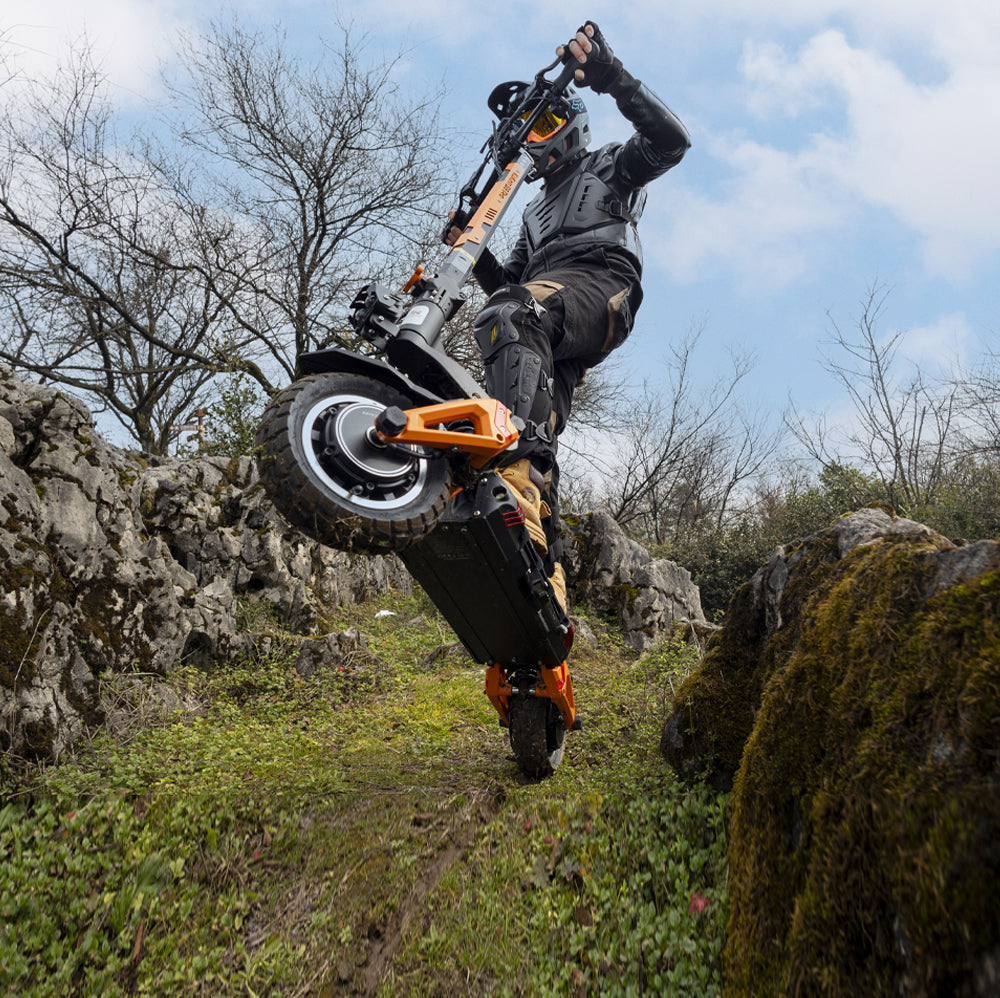
KuKirin G2 Master Off-Road Electric Scooter
Battery Performance Plummets
The core of an e-scooter's power is its lithium-ion battery, and these rely on chemical reactions that slow down dramatically in the cold.

- Reduced Range: You may see a 10% to 20% drop in range for every 10°C (18°F) decrease in temperature. The battery cannot efficiently release energy, leading to a much shorter ride than usual.
- Lower Power Output: The slowdown also causes a voltage drop, which means your scooter may feel sluggish, with slower acceleration and a diminished top speed.
- Long-Term Degradation: While the immediate range reduction is temporary, prolonged exposure to freezing temperatures (below 0°C) can cause a permanent loss of battery capacity over time.
Traction and Safety Hazards
Cold weather often brings wet, icy, or snowy conditions that directly affect rider safety.
- Tire Hardening: Rubber tires stiffen in the cold, reducing grip and traction on the road.
- Slippery Surfaces: Ice, black ice, and snow make roads highly dangerous, dramatically increasing braking distance and the risk of skidding.
- Reduced Tire Pressure: Cold air causes air pressure inside pneumatic (air-filled) tires to drop, which increases rolling resistance and reduces efficiency if not properly inflated.

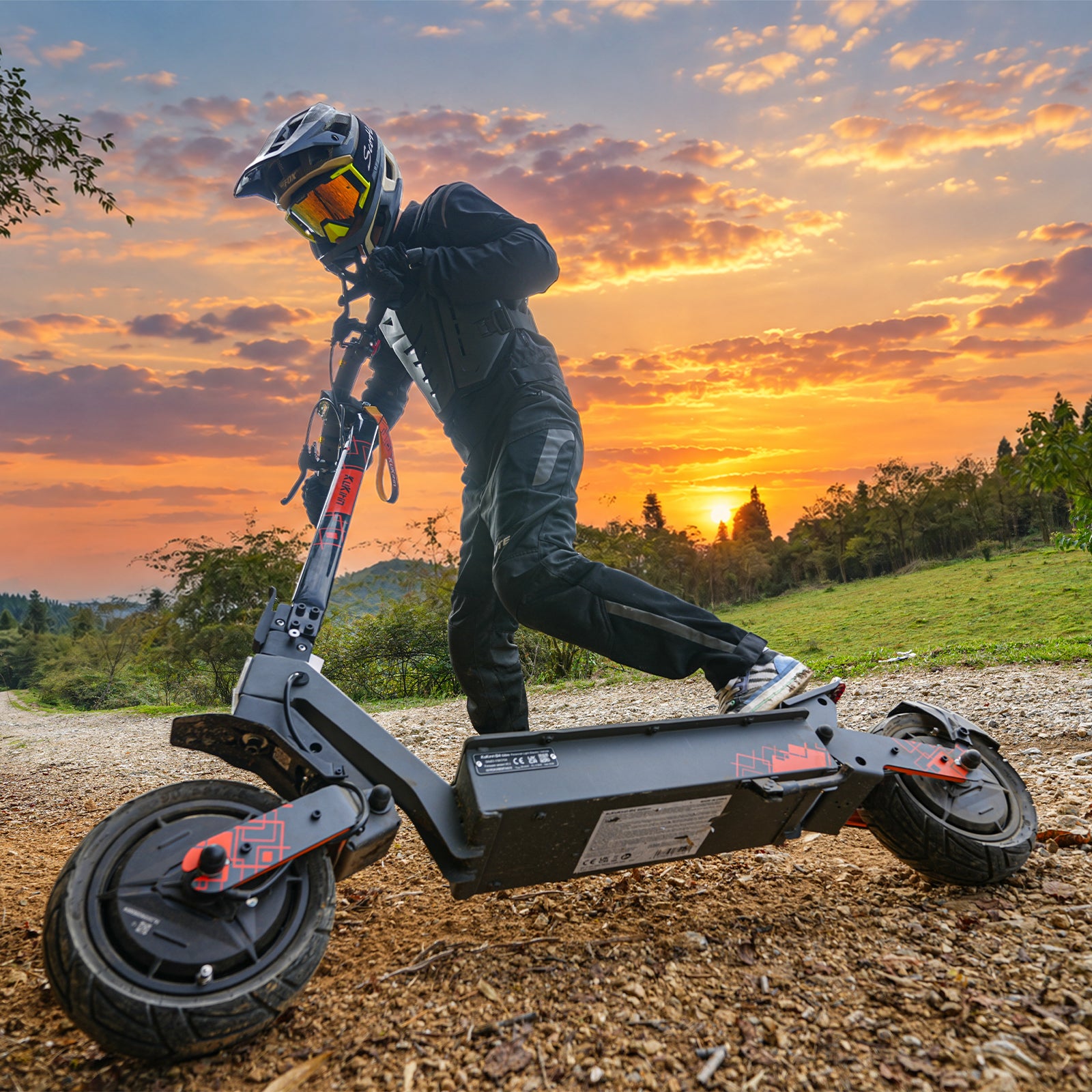
KuKirin G4 Max Electric Scooter with Dual Hydraulic Damping Suspension
Cold Weather Riding and Storage Tips
- Store Warm: Always store and charge your scooter indoors in a dry, heated place (ideally 15°C to 30°C). Never charge a freezing cold battery.
- Pre-Warm the Battery: Start your ride with a battery that has been sitting indoors to ensure optimal performance from the outset.
- Check Tire Pressure: Inflate your tires to the recommended level to counter the cold's effect and maintain optimal efficiency and traction.
- Ride Moderately: Avoid aggressive acceleration and high speeds. Adopt a consistent, moderate pace to conserve energy and maintain control.
- Clean Immediately: If you ride through salt or slush, clean and dry your scooter thoroughly afterward to prevent corrosion.

KuKirin G4 Max Fastest All Terrain Electric Scooter
Battling the Heat: E-Scooters in High Temperatures
While a little warmth is good for batteries, extreme heat can be even more damaging than the cold, as it accelerates the degradation of key components.

Overheating Risks
High ambient temperatures strain the scooter’s electrical systems, posing a significant risk to longevity.
- Battery Degradation: Exposure to extreme heat, especially when stored or operated above 30°C, accelerates the chemical degradation of the lithium-ion cells, leading to a permanently shorter lifespan and capacity loss.
- Motor and Controller Strain: Motors and their controllers can overheat. Many controllers include thermal protection systems that automatically reduce power or shut down completely to prevent damage, resulting in sudden performance loss mid-ride.
- Rubber Wear: Heat can soften rubber parts, including the tires and internal seals, speeding up wear and tear and potentially reducing tire grip.
Hot Weather Riding and Storage Tips
- Park in the Shade: Avoid leaving your e-scooter in direct sunlight for extended periods. Find a cool, shaded parking spot or store it indoors.
- Charge Cool: Always charge the battery in a cool, well-ventilated area. Never charge a battery that feels hot to the touch.
- Monitor Components: If your scooter has an app, monitor the motor and controller temperatures. Take a break in the shade if they start to run hot.
- Check Tire Pressure: Heat causes air to expand, which can increase tire pressure. Check regularly and adjust to prevent over-inflation and potential blowouts.
- Stay Hydrated: This one's for the rider! Carry water and wear light, breathable clothing to avoid heat exhaustion.
The Damp Dilemma: Rain and Humidity
Water and electricity are a poor mix, and wet conditions introduce risks to both the scooter's electronics and the rider’s safety.
Moisture and Electronics
The level of water protection is indicated by the scooter’s IP (Ingress Protection) rating (e.g., IPX4, IP55). Most e-scooters are water-resistant, not fully waterproof.
- Corrosion Risk: Moisture from rain or high humidity can seep into joints, screws, and electronic components, leading to rust and corrosion over time.
- Electrical Malfunctions: Water penetration can cause short circuits in the battery, motor, or controller, resulting in performance issues or complete failure—damage that is often not covered by warranty.
Safety on Wet Roads
Rain dramatically alters road conditions, demanding extra caution.
- Reduced Traction: Wet pavement, especially painted lines, manhole covers, and slick surfaces, significantly reduces tire grip, making skidding a major risk.
- Longer Braking Distance: Wet brakes and reduced tire traction mean you'll need significantly more distance to stop safely.
- Hidden Hazards: Puddles can conceal potholes, debris, or submerged obstacles, leading to a sudden loss of control.
Rainy Day Riding and Maintenance Tips
- Know Your IP Rating: Check your scooter's IP rating. An IPX4 rating generally means it can handle light splashing, but avoid heavy rain and deep puddles.
- Reduce Speed: Slow down considerably on wet roads. Ride gently and avoid sudden braking or sharp turns to prevent skidding.
- Brake Early and Smoothly: Anticipate stops and apply brakes gradually to maintain control.
- Dry Thoroughly: After riding in wet conditions, dry your scooter completely before storage. Do not charge a wet scooter.
- Avoid Puddles: Always steer clear of puddles, as the depth and potential hidden hazards are unknown.
Dealing with Wind and Other Conditions

Other atmospheric conditions can also impact your ride, particularly your stability and battery life.
- Strong Winds:
Reduced Control: Strong crosswinds can push a lightweight e-scooter off balance, requiring the rider to lean into the wind to maintain stability.
Battery Drain: Riding directly into a powerful headwind increases air resistance, forcing the motor to work harder and draining the battery faster.
- Dust and Dirt:
While not strictly a "weather" condition, heavy dust or off-roading can cause particles to enter unsealed bearings and electrical components, leading to premature wear.
Maximize Your E-Scooter Performance
The weather is a major factor in e-scooter performance, range, and longevity. Cold weather primarily reduces battery efficiency and tire grip, while hot weather risks overheating and long-term battery degradation. Rain and humidity pose a threat of electronic damage and create extremely hazardous riding conditions due to slippery roads and longer stopping distances.
To ensure peak performance, store your e-scooter indoors, check your tire pressure regularly, and always reduce speed and ride cautiously in adverse conditions. Understanding your scooter's limitations, especially its IP rating, is crucial for year-round safety and fun.

Leave a comment
This site is protected by hCaptcha and the hCaptcha Privacy Policy and Terms of Service apply.